
A steel sections collection sounds simple until you see the lengths on the stockholder’s racks. Box section, angle, flat bar and channel all come in long bars, and they are heavy for their size. Fabricators, gate makers and keen DIYers all face the same question. Which van gets the steel home straight, safe and without wrecking the floor? We provide van hire in Warrington from Cockhedge, and this guide covers the vans, the loading and the drive.
Picking a Van for a Steel Sections Collection
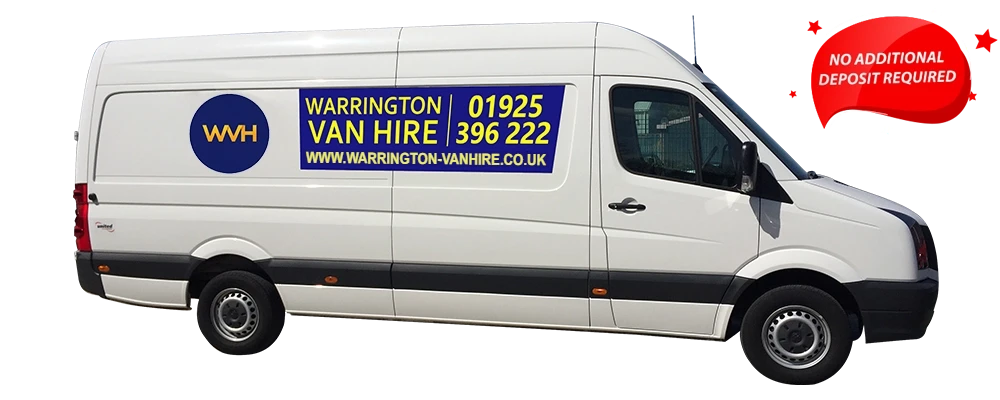
Length is the first thing to settle. Many stockholders will cut bars down for you, and that changes which van you need. So ring them before you book. Ask what lengths they stock and whether they can cut to your cutting list on the day.
Weight comes second. Steel is dense, so a modest-looking bundle can be heavier than a sofa. Keep each load sensible and spread it along the floor. If you are unsure how much your order weighs, ask the stockholder, because they work it out for every sale. Then tell us when you book, and we will steer you to the right vehicle.
The XLWB for Cut Lengths
For most small fabrication jobs, the extra long wheelbase van does the work. It has a 4.3 metre load length, so bars cut to that or shorter lie flat inside. As a result, they stay dry and out of sight. That matters if you are stopping at a trade counter on the way back.
Slide the bars in from the rear doors and lay them on timber bearers. Keep them tight to one side wall, then strap them to the tie points. Also, keep short offcuts and plate in a separate box. Loose pieces slide about and chip the lining on every corner.
The Flatbed for Longer Bars
Sometimes cutting the steel is not an option. A gate frame or a long lintel may need a full bar. In that case, the flatbed dropside van is the better choice. The stockholder can load it from the side with a forklift or crane, which saves a lot of lifting.
Long bars on a flatbed may overhang the back. Remember that the Highway Code says your load must be secure and must not stick out dangerously. Therefore, keep any overhang to a minimum and mark the end clearly with a bright flag or marker board. If the bars would hang well past the tailgate, ask for them cut instead.
Plan the unloading spot as well. A dropside lets you slide bars off the side onto trestles, which is far easier than pulling them out of a box. However, you will still want a second pair of hands for anything long. Lower one side at a time so the load stays balanced on the bed.
Protecting the Van From Oily Steel
New steel often arrives coated in mill oil or covered in scale. Both mark the van floor and side walls. Bring old carpet, ply sheets or heavy cardboard to lay down first. Then put the steel on timber bearers. They keep it off the protection and give you a grip point.
Wear gloves for the whole job, because cut ends can be razor sharp. Meanwhile, keep a rag in the cab for oily hands before you touch the steering wheel. When you return the van, sweep out any scale and grit. A clean load area makes the hand-back quicker for everyone.
Galvanised steel and primed sections need a little more care. They scratch easily, and a damaged finish rusts quickly. So keep cardboard between layers if the finish matters to your customer.
Strapping Bundles for the Drive
Steel does not grip a van floor. Under hard braking, an unstrapped bundle can slide forward like a battering ram. So bundle bars of the same size together with tape or wire, then strap each bundle down in two places. Bring your own ratchet straps rated for the job, as the van comes without them.
Check the straps after a few minutes on the road. Steel bundles often settle and loosen once the van starts moving. Next, drive gently on roundabouts and leave a big gap to the car in front. A loaded van stops more slowly than you expect, especially with a long, heavy load.
Planning Your Steel Sections Collection Route
Stockholders tend to sit on industrial estates with tight yards and forklift traffic. Arrive early, follow the yard marshal and stay with the van while it is loaded. Because most yards close well before evening, a morning steel sections collection works best. Our depot opens at 8am, Monday to Saturday, so you can be at the yard soon after.
Plenty of steel heads north on the A49 towards Wigan. If your workshop is out that way, our page on van hire Ashton-in-Makerfield covers that town. Closer in, van hire Longford covers the north side of Warrington. For loads that mix long items with bulky boxes, our guide to choosing between the XLWB Crafter and a Luton compares the two.
What to Bring to the Depot
Bring your photocard licence and a DVLA check code when you collect. Every van in our fleet is 3.5 tonnes or under, so a standard car licence covers it. Most of our vehicles need no deposit. Also, you can leave your own car in the free secure parking while you are out.
Regular buyers often book ahead for their monthly run. Booking at least two weeks in advance earns 10% off selected vehicles, so see our van hire special offers. Return the van by 4pm, since the depot closes then and is closed Sunday.
Tell us what steel you are buying, how long the bars are and where the stockholder is. We will then match the job to the right van. Ring Warrington Van Hire on 01925 396 222 to book, or reach us through the contact us page.
