
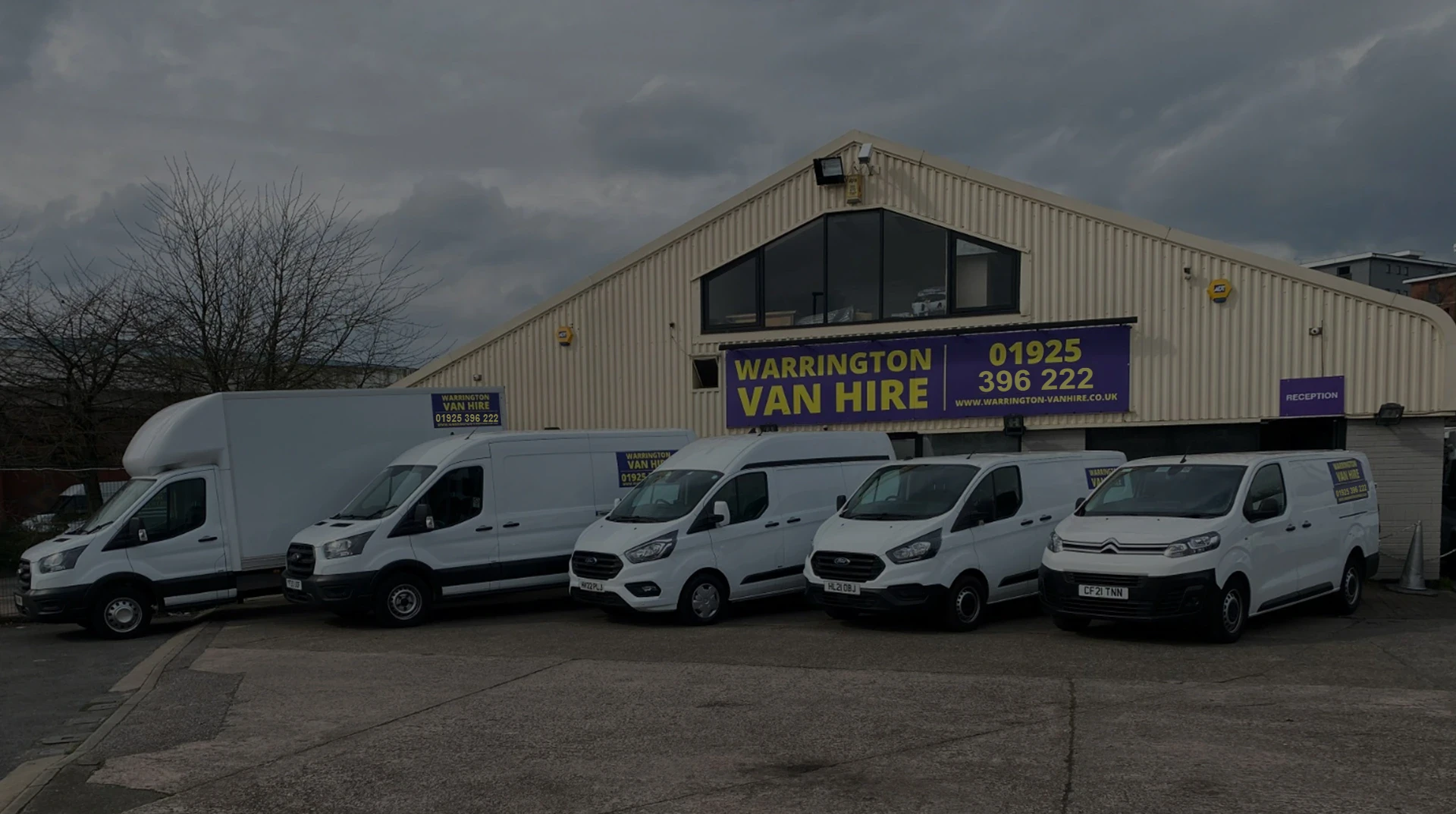
Expanding a business often means more vans, and the choice between buying and hiring them matters. Ownership brings the purchase price plus insurance, road tax, MOT, servicing, depreciation and storage. Those costs run whether the vehicle is busy or idle. By contrast, sensible van hire in Warrington from our Tilley Street depot turns them into costs you pay only on working days. For a business growing into uncertain demand, that difference often decides whether growth stays sustainable.
The Real Capital Question
Ask where the money for a new van would otherwise be working. Buying a sound commercial van ties up a large sum in an asset that loses value. That money cannot go into stock, staff, marketing or the working capital growth always needs.
So, when capital is scarce, hiring frees cash for the things that drive revenue. In effect, the van becomes an operating cost rather than a capital commitment.
Test New Areas Before You Commit
Hire is ideal for testing new service areas before investing. For example, a delivery firm could run a hired van toward Burtonwood van hire areas and the Omega business park for a month or two. Likewise, a trade business could try work around Urmston van hire areas.
If the new work sticks, you can decide to buy using real data. If it does not, the hire simply ends. Either way, the risk is far lower than buying first.
Match the Vehicle to Each Growth Job
Different opportunities need different vans. For multi-drop urban routes, a short wheelbase medium roof van fits best. For bulkier work with fewer drops, a long wheelbase high roof van carries more per trip.
Meanwhile, if your team loads heavy goods by hand, a Luton van with tail lift removes the lifting risk. In short, hiring lets you match the van to the job instead of compromising.
Seasonal Capacity Without Year-Round Cost
Many firms peak at predictable times. Gardeners peak in spring and summer, couriers before Christmas and removal firms in summer. Owning vans for the peak means paying for idle vehicles the rest of the year. Instead, longer hire covers the busy season and ends cleanly when it is over.
Cover When a Van Is Off the Road
If you already run vans, hire also fills gaps when one is off the road. A repair, an MOT failure or an accident can leave you short. Because our depot is central at Cockhedge, you can collect a replacement within hours. As a result, customers barely notice. Our post on hiring a second van instead of buying one covers this in more depth.
Cash Flow When Expanding a Business
Cash flow is often a tighter limit than profit. A van purchase can take months to pay back from the work it does. Most of our vehicles need no deposit, so the impact is limited to the hire itself. That can be the difference between taking a new contract and turning it down.
For help funding growth more widely, the official GOV.UK business finance support finder lists schemes. Our post on van hire for small businesses and sole traders also sets out the cash flow case.
When Buying Makes More Sense
Hire is not right for every business at every stage. If one van works most days of the year, owning eventually becomes cheaper. In that case, buy the core fleet for baseline demand and hire for peaks. That way, you combine predictable costs with flexibility.
Plan the Next Step
Before expanding a business fleet, put real numbers against your usage. Count the days per month, the type of work and how steady demand is. Then call 01925 396 222 with an outline, and our team will give you a frank view. Alternatively, use the contact us page. We open Monday to Saturday from 8am to 4pm.
