
Moving a pottery kiln takes more planning than most studio moves. The steel case looks tough, yet the firebrick lining inside is soft and cracks easily. The kiln is also heavy for its size, and much of that weight sits high. So when potters ask us about van hire in Warrington for a kiln, we start with three questions. How is it wired, how will it leave the room, and how low is the van floor? This guide works through each one, from the first switch-off to the final strap.
Why Moving a Pottery Kiln Needs a Plan
An electric kiln is a box of insulating brick inside a thin metal jacket. The brick is light and porous, which is why it holds heat so well. However, it has almost no strength. A knock against a door frame can chip the rim. Likewise, a sharp drop off a step can crack a wall right through. The elements sit in grooves cut into that same brick. As a result, damage to the lining often means damage to the elements too.
The other problem is balance. Most of the weight sits in the walls and the lid, well above the floor. A kiln on a narrow stand tips more easily than people expect. For that reason, the safest moves keep it upright, low and supported from underneath the whole way. Get those three things right and the rest of the job becomes simple.
Disconnecting and Emptying the Kiln First
Start with the power. A small top-loader may run from a standard plug, but many studio kilns have their own wired circuit. In that case, book an electrician to disconnect it and make the supply safe. Do this a day or two before the van arrives, not on the morning itself. Then you will not lose hire time waiting for a tradesperson.
Next, empty the chamber completely. Lift out every shelf and every post, and wrap each shelf on its own in a blanket or thick cardboard. Shelves are brittle and they chip on the edges first. Also remove the controller if it unplugs, along with any bungs and loose vent parts. Put the small pieces in a labelled bag and tape it to the controller box. Finally, run a strip of tape across the front of the lid so it cannot lift in transit.
Low Loader or Tail Lift for Moving a Pottery Kiln
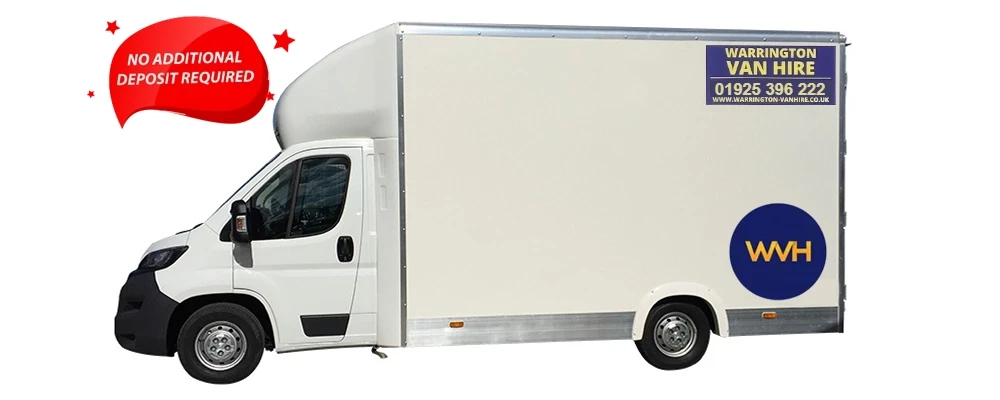
The van choice comes down to how the kiln will get off the ground. Our Luton low loader van has a floor that sits close to the road. With a short ramp, two people can wheel a kiln up a gentle slope. That suits a kiln on castors or on a wheeled stand.
On the other hand, a heavy kiln that sits on a pallet often travels better on a tail lift. The Luton van with tail lift raises the whole load on a powered platform. Nobody has to push it up a slope. Even so, the platform has a fixed footprint, so measure the kiln and its stand before you book. If you are unsure, ring the depot with the measurements and the make. We will tell you which van suits it.
Kit to Bring and How to Lift It
We supply the van, so bring your own handling kit. A pallet truck is the easiest way to move a kiln that already sits on a pallet. Many potters borrow one from a supplier or a neighbouring unit. Otherwise, a heavy-duty sack truck works for smaller models. Bring ratchet straps rated for the load, a couple of old blankets and some offcuts of board. Sheets of plywood also help if the route crosses gravel or a lawn.
Before lifting, walk the whole route from the studio to the van. Measure door widths and look for steps, thresholds and tight turns. If the kiln has to go down a step, use a ramp rather than a bump. Lift by the base or the stand, never by the lid hinge or the handles on the case. Those fittings carry the lid, not the full weight of the kiln. Plan for at least two people, and three for a large front-loader.
Loading and Strapping When Moving a Pottery Kiln
Once inside, push the kiln up to the front wall behind the cab. That stops it sliding forward under braking. Keep it upright at all times. If it sits on a pallet, strap the pallet to the tie points first. Then strap over the top of the kiln. Pad every point where a strap touches the case, because a ratchet can dent thin steel. Two straps crossing in different directions hold far better than one tight one.
Shelves and posts travel flat on the floor beside the kiln, wedged so they cannot slide. Put nothing on top of the lid. The government guidance on securing loads explains blocking and lashing in plain terms. It targets goods vehicles, yet the same ideas apply in a hire van. A kiln that cannot move at all is a kiln that arrives in one piece.
Route and Timing From Cockhedge
Drive as if you are carrying a tray of full glasses. Brake early, take roundabouts slowly and creep over speed humps. From our Cockhedge depot, the A49 heads north towards the M62 and the M6. For a move in that direction, a short motorway hop is often smoother than the back roads. If your new studio is north of town, our page on van hire Haydock covers that side. Likewise, van hire Golborne covers the nearby villages.
Timing matters too. We open Monday to Saturday from 8am to 4pm and close on Sundays. So collect early, load in daylight and leave time to unload before you return. When you collect, bring your photocard driving licence and a DVLA check code. There is no deposit on most vehicles, and free secure parking on site means your car can wait for you. Booking two weeks ahead? Our van hire special offers include 10% off selected vehicles.
Unloading and Firing Up Again
Unloading is the loading routine in reverse. Lower the kiln on the tail lift or roll it down the ramp. Then take it straight to its final spot. Do not leave it in a hallway for now, because a second move doubles the risk. Refit the shelves only once the kiln is level and in place. Next, check the lining with a torch for new cracks before anyone reconnects it.
The electrician should reconnect the kiln and check the new supply before the first firing. After that, a slow, empty firing is a sensible way to test the elements and the controller. Moving a whole studio? Our guide to moving an upholstery or sewing workshop covers benches, machines and stock. Most of its planning advice applies to a pottery as well. In short, moving a pottery kiln well is about patience rather than strength.
Tell us the make of the kiln, how it stands and where it is going. We will match it to the right van from a fleet of over 70. Call Warrington Van Hire on 01925 396 222 to book, or use the contact us page to send the details.
