
Moving garden statues is heavy, slow work, and autumn is when most of it happens. People sell stone ornaments before winter or clear a garden for a house sale. A solid stone figure is dense, top-heavy and easy to chip. So when customers ask us about van hire in Warrington for this kind of job, we start with lifting, not space. This guide covers which van to pick, how to wrap and strap each piece and how to plan the day.
Why a Tail Lift Matters When Moving Garden Statues
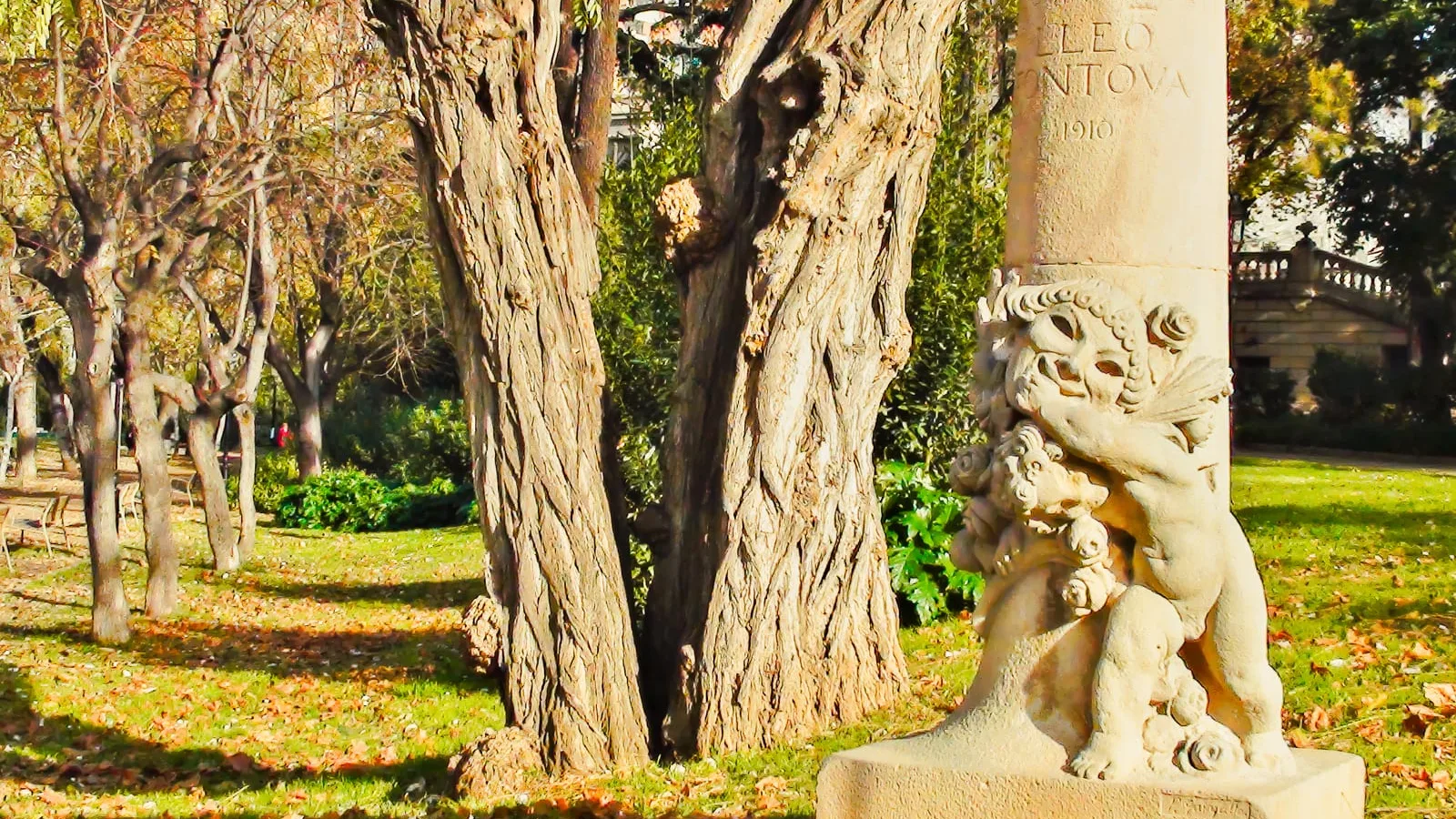
A concrete gnome is one thing. A stone cherub on a plinth, a cast stone bird bath or a large planter is something else. These pieces pack their weight into a small footprint, so two people struggle to get a grip. Lifting them chest high onto a van floor is where backs go and edges break. That is why we steer these jobs to the Luton van with tail lift.
The tail lift platform takes the piece from ground level to floor level under power. You walk the statue onto the platform, stand beside it and let the lift do the climb. Then you slide it straight into the box. In practice, that one feature turns a risky two-person lift into a steady, controlled move. It also helps at the far end, where the ground may be soft lawn or loose gravel.
Sorting Statues, Bird Baths and Planters Before You Book
Start by walking round the garden and noting every piece. Write down what each one is made of, because stone, concrete and resin all behave differently. Resin looks like stone but weighs far less. Real stone and concrete are the heavy ones. Also check whether each piece comes apart. Many bird baths lift off a pedestal, and many statues sit loose on a separate plinth.
Next, look for old repairs and cracks. A crack across a neck or a wrist can fail during a lift. Take a photo of each piece before you touch it, too. That helps if you are selling, and it reminds you how the parts fit back together. Finally, tell us the number of pieces and the heaviest one when you ring. That way the team can confirm the tail lift van suits the job.
Moving Garden Statues in Separate Parts
The safest rule is to move the base and the top separately. A statue mortared to its plinth may need careful work with a bolster first. Do that the day before. A loose top can rock off its base on the first bend. As a result, two lighter loads beat one heavy, unstable one every time. The same goes for a bird bath bowl and its stem.
Keep the small parts together. Put any pins, dowels or bolts in a labelled bag and tape it to the base. Then wrap each part on its own. If a piece will not come apart, treat it as one unit and plan for at least three people. It is not a job to rush, so leave time for a break between lifts.
Wrapping and Loading Stone Ornaments
We do not supply moving kit, so bring your own blankets, old duvets or carpet offcuts. You will also want a sturdy sack truck with air tyres, gloves with a good grip and some ratchet straps. Wrap the face and any thin parts first, such as fingers, wings or a bowl lip. Then tape the wrap in place so it cannot slip off on the platform.
Upright or lying flat is the big question. Tall, slim figures travel best lying down on a thick bed of blankets, with the head toward the bulkhead. Squat pieces, planters and bases travel best upright, because their weight sits low. Meanwhile, keep everything close to the front wall of the box. That keeps the weight between the axles rather than hanging over the rear doors.
Strapping Heavy Pieces for the Drive
Stone sits still until it suddenly does not. A hard stop at a roundabout can slide a heavy base forward with real force. So strap every piece to the tie rails in the box, and use two straps on anything tall. Pack the gaps with folded blankets or cardboard so nothing can rock. Even so, pull over and check the load after the first few miles.
For the principles professional drivers follow, the government guidance on securing loads is worth a read. It targets goods vehicles, but the same ideas carry across to a hire van. Likewise, drive gently. A Luton sits taller than a car, so take bends and speed humps slowly with stone in the back.
Timing Your Collection Around Depot Hours
Our depot sits on Tilley Street, at the main entrance to Cockhedge Shopping Centre. It opens Monday to Saturday from 8am to 4pm, closed Sunday. Statue jobs take longer than people expect, because each piece needs wrapping, lifting and strapping in turn. For that reason, collect at eight and give yourself the whole day. Autumn light also fades early, and nobody wants to lift stone on a wet lawn in the dark.
Bring your photocard driving licence and a DVLA check code when you collect. There is no deposit on most vehicles, and free secure parking on site means your car can wait with us. If the sale or move date is fixed, book at least two weeks ahead. We offer 10% off selected vehicles booked that early, so check our van hire special offers first.
Local Routes When Moving Garden Statues
Plenty of these jobs run south of the Manchester Ship Canal, into the lanes and villages of Cheshire. Our page on van hire Hatton covers that rural side. There, narrow lanes and soft verges need care with a loaded Luton. Similarly, our page on van hire Walton covers the area closer to town. Either way, allow extra time at the swing bridges, which can open with little notice.
Collecting a bench or a table set too? Read our guide to van hire for garden furniture collection. Furniture and stone can share the van, but load the stone first and lowest. Then fit the lighter furniture around it, never on top of it. That way, moving garden statues and furniture together stays a one-trip job.
Tell us what you are moving, how many pieces there are and where they need to go. The team will match the job to the right van from our fleet of over 70. Call Warrington Van Hire on 01925 396 222, or use our contact us page to send the details.
