
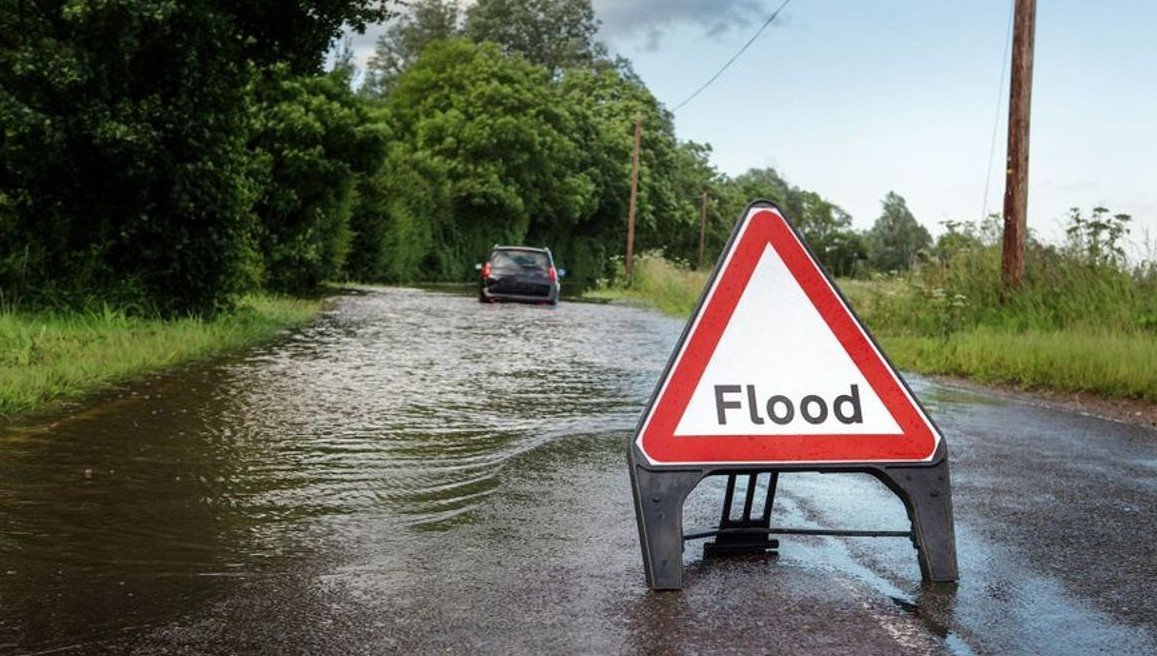
According to the aa, one in three flood-related deaths occurs in vehicles. With this in mind, knowing how to drive safely on flooded roads is not just smart—it’s essential. This guide covers practical steps, warnings, and best practices to help you stay safe when you encounter flooded streets. We’ll weave in the core keyword and provide clear, actionable advice for drivers of all levels.
Introduction: The Reality of Flooded Roads
Flooded roads present silent hazards. A small amount of water can wreck an engine, contaminate braking systems, or hide deeper risks like potholes and open manholes. The phrase How To Drive On Flooded Roads captures a set of skills that can prevent costly damage and protect lives. In this post, we’ll break down safe driving tactics, from pre-trip checks to post-flood precautions, so you can respond calmly and effectively when weather turns hostile.
Pre-Drive Preparation: Before You Set Off
Before setting out in wet conditions, take a moment to assess the route and your vehicle. A careful pre-drive check can reduce the likelihood of trouble once you’re on the road.
- Plan an alternate route: If you can avoid flooded streets altogether, choose a safer path. If water is unavoidable, know your options for turning back or seeking higher ground.
- Check visibility and lights: Ensure your headlights and taillights work, and keep your windscreen clean. If visibility drops below 100 metres, use your headlights (and fog lights if necessary) but switch fog lights off when visibility improves to prevent dazzling others.
- Understand the depth risk: Test the depth of water in your chosen route if possible. Don’t attempt to drive through water deeper than 10 cm. If you’re unsure of the depth, don’t proceed.
Driving Techniques: How To Drive On Flooded Roads Safely
Once you’re on a flooded road, your responses should be deliberate and controlled. Key techniques can help you maintain traction, visibility, and control.
- Drive slowly and steadily: Reducing speed is paramount because tyres are more likely to lose grip on a slick, water-covered surface. Keep a gentle throttle and smooth steering inputs to avoid aquaplaning.
- Manage aquaplaning calmly: If you feel the tyres losing grip, ease off the accelerator gradually and hold the steering wheel lightly. Do not slam the brakes or make sudden steering corrections; steady handling helps the tyres regain contact with the road.
- Avoid splashing pedestrians: Don’t drive through large puddles if you can help it, and keep your speed down to minimize spray that could endanger others. Splashing pedestrians can lead to fines in some areas.
- Do not slam on the brakes: In flooded conditions, braking through water can be ineffective or cause skidding. If you must slow, use light, progressive braking once you’re out of the flood and onto dry road to dry and restore braking efficiency.
- Stay in gear and keep momentum on long stretches: In some situations, keeping the engine in a steady gear helps avoid stalling. Don’t stop moving in a flood if you can safely do so, because water can be drawn into the exhaust or engine bay and cause damage. If you must stop, keep revs up to prevent seizing when it’s safe to move again.
- Test the brakes after exiting floodwater: After you’ve driven through water, test the brakes gently to dry them and confirm they’re functioning properly. If braking feels spongy, continue to test in a safe area and avoid high speeds until they feel normal again.
What To Do If Your Vehicle Gets Stuck or Broken Down
Even with careful driving, floods can cause breakdowns. If your car breaks down, pull over and stay inside the vehicle unless you’re on a motorway hard shoulder. In that scenario, put on hazard lights and move to a safe place away from flowing water. Do not attempt to open the bonnet in flood conditions, as exposing the engine to rain and water can cause more damage. If you must exit, do so with caution and away from traffic.
Post-Flood: After Crossing Flooded Roads
Once you’re past the flooded area, there are a few steps to safeguard your vehicle and ensure you’re safe for the rest of the journey.
- Dry and inspect the vehicle: After exiting floodwater, inspect the exterior and undercarriage for signs of damage. If you suspect water has entered the engine or electrical systems, seek professional assistance.
- Check the exhaust and intake: Water in the exhaust can cause engine damage if it is drawn into the system. If you’ve driven through deeper water, consider a professional diagnostic check to ensure no hidden issues remain.
- Monitor for symptoms of trouble: If you notice rough running, misfires, warning lights, or reduced performance, don’t push through. Have the car checked as soon as possible.
Additional Tips for Safe Driving in Wet Weather
- Slow and steady wins: In wet conditions, speed control is critical. Maintain a safe following distance and avoid aggressive lane changes.
- Use appropriate tires: Good tread depth enhances grip on wet surfaces and helps reduce hydroplaning risk.
- Plan for better traction: Avoid abrupt acceleration, heavy braking, or sharp steering corrections that can destabilize the vehicle on slick roads.
- Keep a safety kit: Have a charged phone, high-visibility vest, flashlight, and emergency contact numbers handy in case you encounter flood-related issues.
Driving on flooded roads requires humility, patience, and careful technique. The central message of How To Drive On Flooded Roads is simple: slow down, test conditions, avoid deep water, and maintain smooth control of your vehicle. If in doubt, turn around and seek a safer route rather than risk stalling, engine damage, or a loss of control. By preparing ahead, driving with caution, and following post-flood checks, you can protect yourself, your passengers, and your vehicle when floodwaters threaten your journey.
If you’re considering vehicle hire for trips through flood-prone areas, services like Van Hire Warrington, Van Hire Runcorn, Van Hire Widnes, Van Hire Altrincham & Van Hire St Helens and surrounding regions emphasize safety and reliability, with secure parking and proximity to transport networks. Always prioritise safety, and when in doubt, don’t drive through flood waters.

