Most articles aimed at tradespeople weighing up van hire describe the benefits in general terms – flexibility, lower fixed costs, no maintenance worries. The questions a working plumber, electrician, builder or landscaper actually has are more specific. Where do I keep my tools overnight when the van has to be returned. What happens if a job overruns past the depot’s closing time. How do I configure the load space without permanent racking. What does the licence position look like if I want a colleague to drive. For tradespeople considering sensible van hire in Warrington from the central depot at Tilley Street, the answers to these practical questions matter more than the broad-strokes case for hire.
The Tools and Stock Question
The single biggest practical difference between using a hired van and using an owned trade vehicle is what happens to the tools, materials and stock at the end of each working day. An owned vehicle stays with the tradesperson – tools stay in the van overnight, ready to drive straight to the next job. A hired vehicle goes back to the depot at the end of the hire window, which means the tools either come out and go home with the tradesperson each evening, or stay locked in the depot if the hire spans multiple days. For trade businesses considering whether hire works for their pattern of work, this practical reality often decides the question. Single-day hires for specific overflow jobs work well. Hiring across a busy week with multiple jobs and an evolving tool inventory is more complex than it first appears.
When Hire Makes Sense for a Tradesperson and When It Does Not
The clearest cases for hire among trade customers are not as primary day-to-day vehicle replacements, but for specific situations the owned vehicle cannot cover. A bathroom strip-out producing significantly more bagged waste than the daily van can carry. A kitchen install with a large appliance to deliver alongside the units. A roofing job needing more materials transported in one trip than the panel van can fit. A landscape project with paving and turf that needs a flatbed rather than an enclosed van. For these specific overflow situations, hire is the right answer because the alternative – buying a second vehicle that sits idle most of the year – makes no economic sense for a sole trader or small contractor.
Cover When the Daily Vehicle Is Off the Road
The other clear use case for trade hire is cover when the main work vehicle is unavailable. A breakdown that requires several days at the workshop. An MOT failure that needs substantial work to remedy. A vehicle written off after an incident. In any of these scenarios, the trade business loses working days at exactly the rate the customers it has been waiting on come good. Hiring a like-for-like replacement on the day the problem becomes clear keeps the business operating while the underlying vehicle issue is resolved. The hiring a van when your car is off the road post covers this situation in more detail and is worth bookmarking for tradespeople who would otherwise be caught flat-footed when their daily vehicle goes down.
Vehicle Choice for Specific Trades
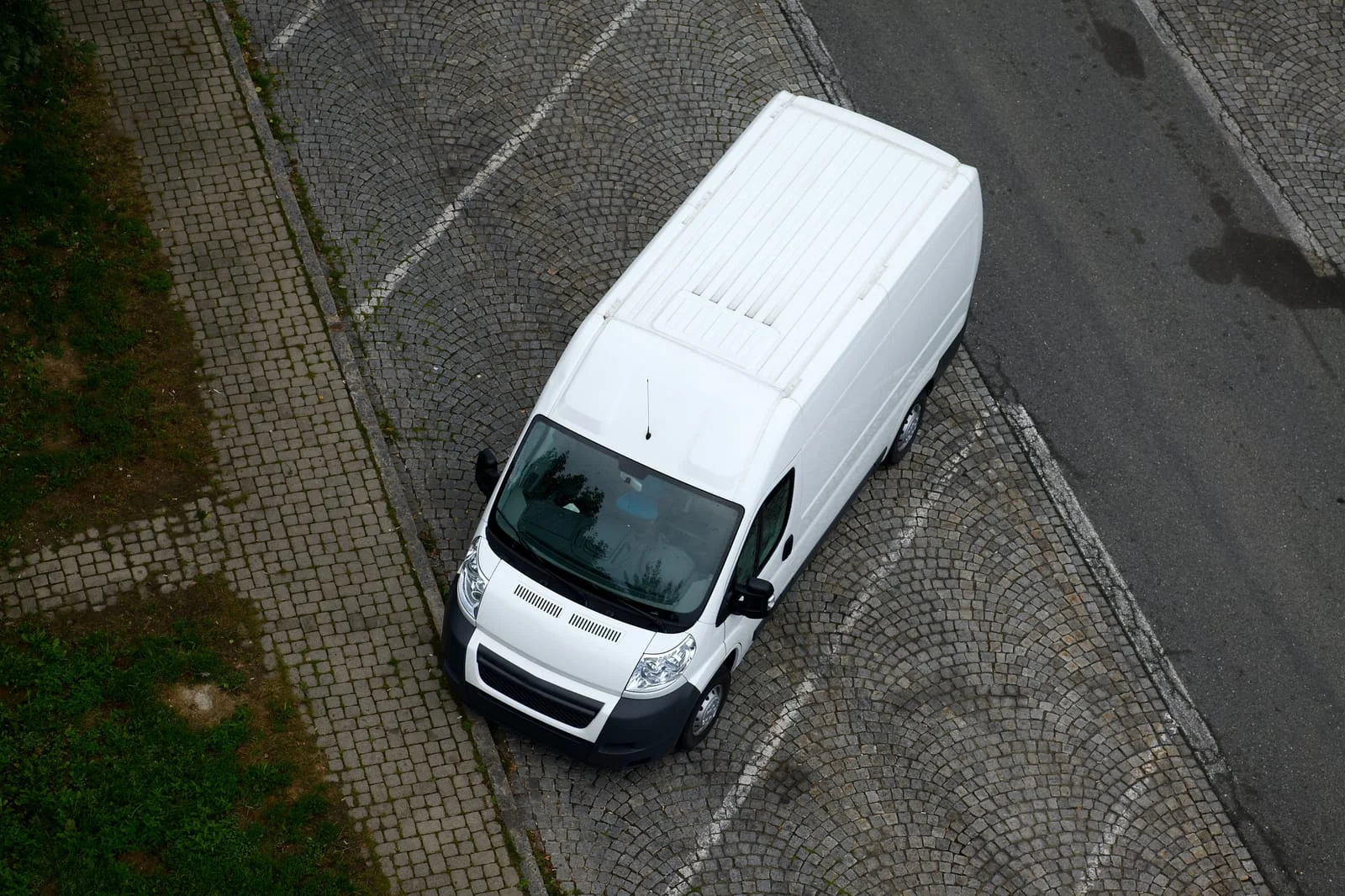
The right vehicle for trade work varies significantly by trade. For electricians, plumbers and small finishing trades whose tools and stock genuinely fit a standard panel van, a short wheelbase medium roof van is the closest match to a typical company panel van and the right hire choice for most jobs. For builders, joiners and trades that routinely move sheet materials and longer-length stock, a long wheelbase high roof van handles the standard 8-foot board lengths without difficulty and gives the headroom to stack work materials sensibly. For landscapers, garden services, fencing contractors and trades that move plants, paving, soil, mulch or any open load, a flatbed dropside van is the right vehicle – the open dropside configuration allows loads to be placed on the bed from any side using shovel or hand, which is exactly how landscaping materials are typically moved.
The Configuration Difference From an Owned Trade Van
One of the practical adjustments tradespeople make when moving from an owned vehicle to hire is the absence of permanent racking, shelving and tool storage. The vehicles in a hire fleet are kept in standard van configuration so they suit the broadest range of customers – which means trade users need to think about how their kit travels in the load space. Heavy items at the bulkhead with weight forward. Long items along the length of the floor. Smaller tool boxes and stock secured against side movement. Glass, mirrors and fragile items wedged with blankets or off-cuts. For trades used to opening the side door and reaching for the exact rack their drill sits on, the temporary configuration takes a few extra minutes at the start and end of each job. The trade-off is the lower cost of not owning a fully-fitted vehicle for occasional overflow work.
The Licence Position for Trade Drivers and Apprentices
For trade businesses that need to put more than one driver on the same hire vehicle – a foreman, an apprentice, a relief driver – the licence position matters. Each driver needs the correct licence category for the vehicle, needs to be added to the hire at the booking stage, and may attract a young driver surcharge if under the standard age threshold for the vehicle. Apprentices particularly often face the post-1997 licence restrictions that prevent some drivers from operating 3.5 tonne vehicles without additional certification. Sorting this out before the hire rather than discovering it at collection is the practical approach. The team at the depot is happy to confirm the licence requirements for any specific vehicle and driver combination at the booking stage.
The Geographic Reality for Tradespeople Across the Region
For trade businesses operating across the Cheshire-Greater Manchester-Merseyside area, the depot’s central Warrington location is genuinely useful. Routes into Risley van hire areas with their light-industrial estates and trade premises run naturally from the depot, as do routes south into the Cheshire commercial fringe. Jobs in Burtonwood van hire areas around the Omega business park corridor sit on the M62 a few minutes from the depot. The geography means that for most one-day trade hires, the depot run at the start and end of the day adds around forty minutes of total driving rather than the longer dead miles an out-of-area chain branch would impose. For longer hires across multiple days, the depot trip is a single event rather than a daily overhead.
Cost Management Beyond the Day Rate
The practical cost of a trade hire is rarely just the day rate. Fuel for trade work involves more idling at job sites, more short trips between merchants and properties, and generally more fuel per day than a long single journey. Mileage on multi-stop trade days can build up quickly across an area-wide patch of work. Time spent at the depot collecting and returning is time not spent on the job. None of these are problems if budgeted for, but trade users should price hire against their billable rate rather than against an abstract day cost – what matters is the cost per productive working day after all the overheads, not the headline daily rate alone.
Hiring Around Other Business Demands
For trade businesses that hire only occasionally – a few days a year to cover overflow or to handle a specific large job – the relationship with the depot tends to be transactional. For trade businesses that hire more regularly – several times a year, particularly during peak seasons – it pays to have an account-level conversation with the team about which vehicles tend to be available when, what notice is needed for specific configurations, and whether longer hire periods or repeat-customer arrangements offer better economics than ad-hoc daily hires. The depot team is generally willing to talk through these arrangements rather than push every booking through a transactional rate book.
To talk through a specific trade hire arrangement, sort out cover for a vehicle off the road, or work out which van suits a particular trade job, call 01925 396 222 with an outline of the work involved – the trade, the typical load, the duration of the hire, and any licence questions about the driver. The team at Tilley Street can recommend the right vehicle and hire window for the work. Enquiries can also be sent through the contact us page, and the depot is open Monday to Saturday from 8am to 4pm for in-person discussions and fleet inspections.