
Car parts, project cars and vintage machinery all create the same headache when you buy them. The item is heavy, low-slung and awkward, and often it does not run. A standard van with a high floor is the wrong tool for this. With the right vehicle from our van hire in Warrington fleet, an impossible lift becomes a controlled job.
Why a Low Loader Beats a Tail Lift Here
The Luton low loader van has a bed that sits close to the ground, with a long, shallow ramp. So, a project car, kart or motorbike can roll up without scraping. In contrast, a low classic would ground out on a steep ramp.
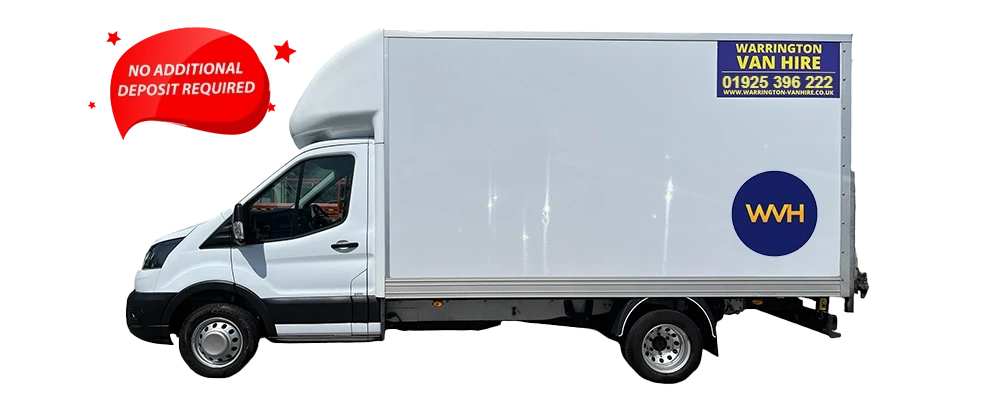
When the Tail Lift Is Better
The two vehicles look similar, yet they do different jobs. The Luton van with tail lift suits boxed car parts, engines on pallets and heavy crates lifted straight up. Meanwhile, the low loader suits anything you roll or winch up a ramp.
Securing Car Parts and Project Vehicles
Strap a project vehicle to solid chassis or suspension points, not the bumper. Then chock the wheels and check nothing can roll under braking. Also, drain or seal fluids where you can. The official GOV.UK load securing guidance explains the principles.
Planning the Collection
Restoration buys often come from auctions and yards across the North West. Our central depot makes a good base for these runs. For example, customers heading toward Wigan often route through Golborne van hire areas. We open from 8am Monday to Saturday, so an early start allows a long round trip.
The Long Drive Home
Plan fuel stops where a Luton parks easily. Next, check the straps at your first stop, since loads settle in the first few miles. In addition, recruit a helper at each end, because a dead-weight vehicle still needs two people.
Talk Through Your Project
Call 01925 396 222 and describe what you are moving, how heavy it is and whether it rolls. We will confirm the right van for your car parts or project. Most vans need no deposit. Alternatively, use our contact us page.
